
Norchem is an inorganic green technology-enabled concrete admixtures and Activated carbon manufacturing company, foreseeing future needs & exigencies, delivering excellent products of high quality and reliability with unflinching commitment.
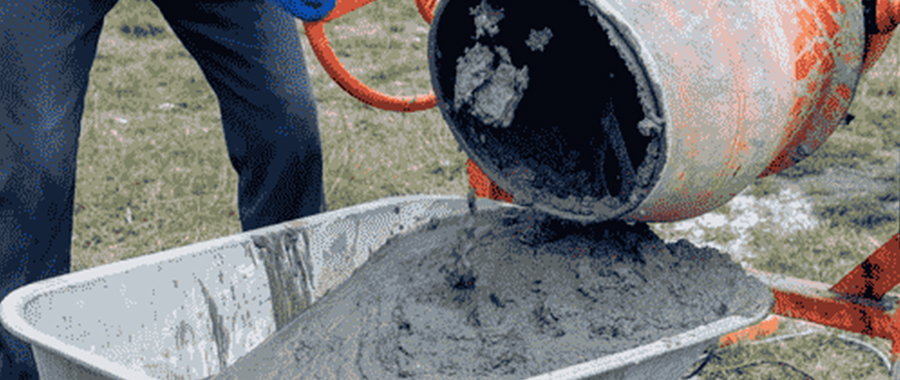
Silicate-based integral waterproofing compounds are a type of chemical additive used in concrete or cement-based mixtures to improve their resistance to water penetration. These compounds work by chemically reacting with the free lime (calcium hydroxide) in the concrete to form insoluble crystalline structures that block the pores and capillaries, making the concrete more water-resistant.
These compounds are used in a variety of construction projects where waterproofing is a priority, and they are especially popular for preventing water penetration in structures like foundations, basements, swimming pools, and water treatment facilities.