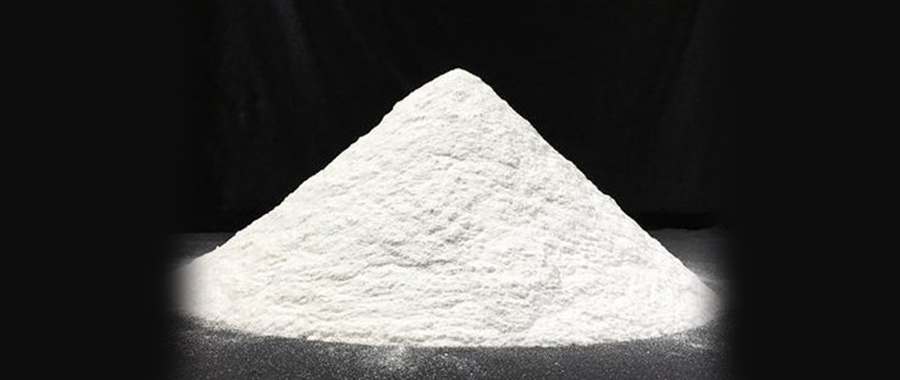
Precipitated Calcium Carbonate
Precipitated Calcium Carbonate (PCC) is a refined form of calcium carbonate that is produced by a chemical process, as opposed to the naturally occurring form of calcium carbonate, such as limestone or marble.
Production of Precipitated Calcium Carbonate:
PCC is produced through a process that involves carbonating lime (calcium oxide, CaO) with carbon dioxide in a controlled environment.
Properties of Precipitated Calcium Carbonate:
- Purity: PCC is highly pure compared to natural calcium carbonate, as it's produced through a controlled chemical process.
- Particle Size: The particle size of PCC can be controlled during its production, which gives it specific physical properties for different applications.
- Surface Area: The surface area of PCC is typically much higher than that of natural calcium carbonate, making it more reactive and useful in certain applications.
- White Color: Like natural calcium carbonate, PCC is white and is used for applications requiring a bright color.
Uses of Precipitated Calcium Carbonate:
- Paper Industry: PCC is widely used as a filler and coating pigment in paper production. It enhances the brightness, smoothness, and printability of the paper.
- Plastics: It is added to plastics to improve their mechanical properties, reduce costs, and give a smooth finish.
- Paints and Coatings: PCC is used as a pigment in paints and coatings due to its whiteness and high surface area, improving opacity and gloss.
- Food and Pharmaceuticals: It serves as a food additive (E170) and is used as a source of calcium in supplements.
- Rubber: In the rubber industry, PCC is used as a filler to improve the durability and performance of rubber products.
- Cosmetics: It’s included in cosmetics and personal care products due to its fine powder properties.
Key Advantages of Precipitated Calcium Carbonate:
- Customizable Properties: The production process can be tailored to produce PCC with specific particle sizes, shapes, and surface characteristics, which enhances its performance in various applications.
- Higher Purity: PCC is free from impurities that might be present in naturally occurring calcium carbonate, making it ideal for use in food, pharmaceutical, and cosmetic industries.
- Environmentally Friendly: The process of making PCC can involve recycling CO₂, making it a more sustainable option in some contexts.